Empowering Lives: A Guide to Cancer Advocacy and Community Support
In the realm of cancer care, where each diagnosis can feel isolating, the power of advocacy shines as a beacon of hope. In this journey, every voice counts, and collectively, they create a thunderous echo that can reshape the landscape of oncology. Have you ever wondered how advocacy can bridge the gap between patients and healthcare? It's a vital connection that fosters understanding, awareness, and empowerment. Therefore, it’s time we talk about the crucial role of advocacy in cancer care, and how uniting our voices can amplify support for those affected.
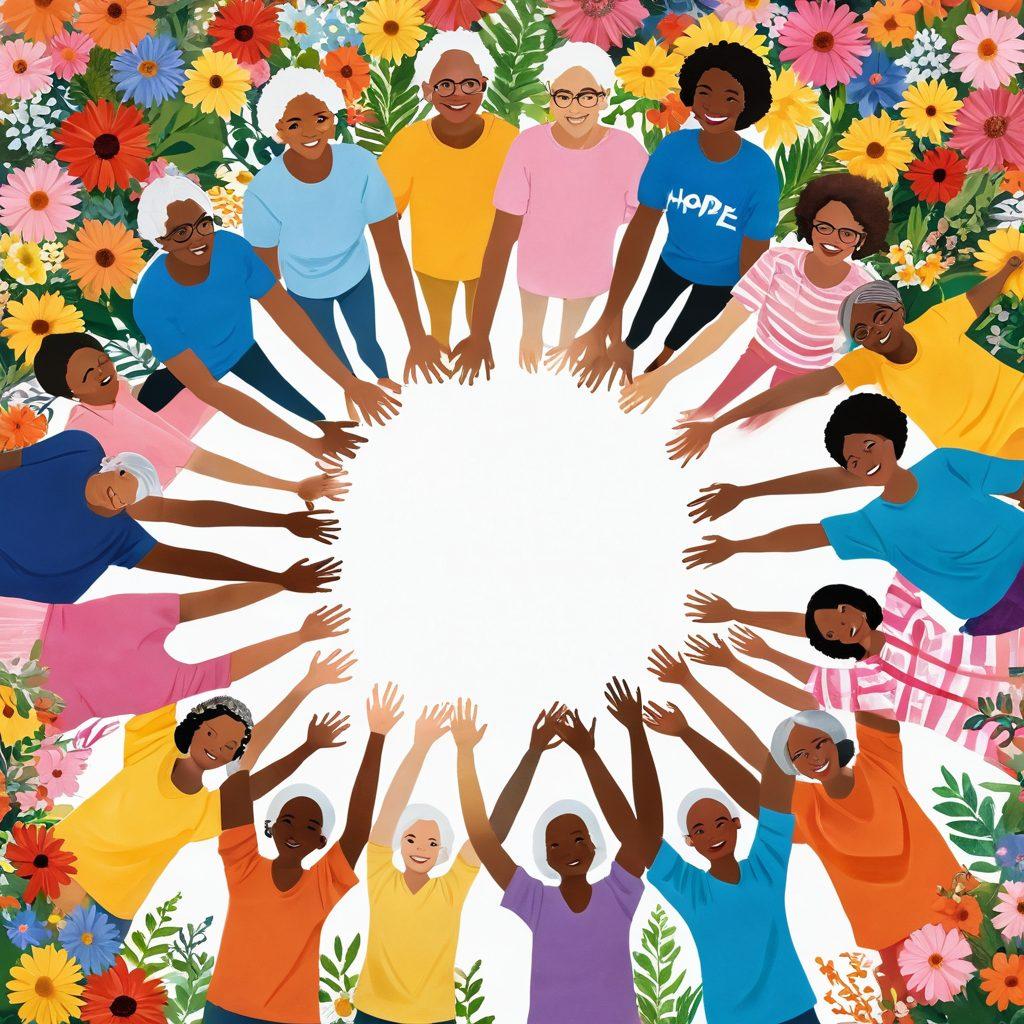
Imagine walking into a room full of people who share your struggles, hopes, and dreams. That’s the essence of community support. When cancer affects a loved one, it can lead to feelings of isolation and despair. But through patient support networks, individuals embark on a journey together, sharing not only their fears but also their triumphs. The power of peer support can transform the cancer experience from a solitary fight into a shared mission, enriching our pursuit of wellness resources and emotional strength.
Cancer advocacy is not just a buzzword; it's a movement that encourages awareness about tumor awareness, the significance of early detection, and the importance of ongoing medical research. Ask yourself, how can we better educate ourselves and others on the different therapies available? Being informed can empower patients to make better decisions regarding their treatments. Through cancer education, we can deepen our understanding of holistic health approaches, lifestyle changes, and the mental health support that plays a pivotal role in recovery and survivorship.
One of the most impactful ways we can support cancer advocacy is through our involvement in local healthcare initiatives, charity events, and fundraising efforts. Imagine the change we can foster by collaborating with local organizations dedicated to enhancing patient experiences! By attending networking groups, we can lend our voices to amplify those of others in the community, advocating for systemic changes as well as sharing valuable information. Each small act contributes to a larger movement that champions change and support.
Lastly, let’s think about the importance of storytelling in advocacy. Every person’s journey with cancer is unique, filled with moments of resilience and strength. By sharing these stories, we can inspire others to take action, to advocate for those who can’t, and to bring hope to the forefront of the healthcare dialogue. Advocacy is not just a role for a few; it’s a responsibility we all share. So, how will you lend your voice today to advocate for better healthcare, support networks, and the wellness resources needed for those affected by cancer?
Building Resilience: Community Support for Patients and Survivors
When it comes to facing the daunting challenges of cancer, the journey can feel isolating and overwhelming. However, community support can be a shining beacon of hope for patients and survivors alike. Imagine walking into a room filled with people who understand your struggles, who share the same fears and triumphs. It's not just about dealing with cancer; it’s about building resilience, promoting cancer education, and recognizing the importance of unity. As Helen Keller once said, 'Alone we can do so little; together we can do so much.' Let's explore how community support can empower lives and foster an environment where survivors can thrive.
At its core, community support revolves around healthcare workers, advocacy groups, and local organizations that provide vital wellness resources. From fundraising efforts like charity events dedicated to tumor awareness to networking groups that connect those facing similar battles, the opportunities to find support are abundant. Survivorship hinges on not just medical treatments but also on proactive engagement in patient advocacy. When patients advocate for their own care and the care of others, they create a ripple effect that leads to greater awareness and better healthcare outcomes.
When we think of community support, we often picture local healthcare facilities and support groups. But imagine the strength that comes from peer support networks that extend far beyond the clinical setting. Joining a community of fellow survivors not only fosters emotional bonds, it also creates a safe haven for sharing tips on lifestyle changes that work. Did you know that holistic health approaches, including nutrition and mental health support, can significantly enhance the healing process? Many patient support networks focus on these aspects. Why not take that first step and seek out a group that resonates with you?
Educational programs in cancer advocacy are another critical component of building resilience. The more informed we are about medical research, early detection methods, and available therapies, the better equipped we become to tackle the cancer journey head-on. Engaging with these educational initiatives can empower patients and survivors alike to lead the charge in their own healthcare decisions. After all, knowledge is not just power; it’s the key to informed choices about wellness resources and survivorship strategies.
We must also acknowledge the power of local community involvement in shaping a culture of cancer support. Participating in charity events or volunteering at fundraising initiatives not only aids research but also fosters connections among individuals united by a common goal. When we come together to support cancer advocacy, we create an atmosphere of hope and motivation. So next time you consider joining a local event or initiative, remember that your involvement can make a world of difference to those navigating the storm of cancer. What steps will you take to be part of this incredible support network?
Navigating the Journey: Comprehensive Resources for Cancer Awareness and Wellness
Navigating the world of cancer can feel like an overwhelming journey, filled with uncertainty and fear. But what if I told you that you're not alone in this journey? Across the globe, communities are coming together to provide resources that support individuals and families impacted by cancer. In this blog, we will embark on a journey through the extensive landscape of cancer advocacy and community support, focusing on the vital wellness resources available to patients and their loved ones. From tumor awareness initiatives to patient support networks, this guide will illuminate the pathway to navigating the complexities of cancer treatment and survivorship.
Did you know that one in three people will be diagnosed with cancer in their lifetime? As sobering as that statistic may be, it underscores the importance of early detection and cancer education. Oncology professionals emphasize that being informed about the disease is crucial. Local healthcare providers often offer workshops and community events focused on cancer awareness. These gatherings allow individuals to ask questions, learn about therapies, and understand the critical role lifestyle changes can play in health. Imagine attending a charity event, mingling with healthcare advocates and cancer survivors, all while supporting the fight against this disease. How empowering would that be?
Additionally, the realm of patient advocacy has evolved tremendously. There are countless networking groups focused on uniting patients and survivors, providing a platform for sharing experiences and fostering connections. In these peer support settings, individuals can share stories of their battles, celebrate milestones, and even discuss mental health support strategies. It's a stark reminder that while cancer is a formidable foe, community support can make a significant difference in a patient’s emotional and psychological wellbeing. Remember, advocacy doesn't just flourish in hospitals; it thrives in community gatherings, fundraisers, and online forums.
Advances in medical research continue to drive the fight against cancer forward. With new therapies emerging regularly, patients are often left with questions about what options are available. How do you decide the right course of action? This is where patient support networks can offer an invaluable lifeline. Through shared experiences, members educate one another about various treatment options and outcomes, ensuring that every voice is heard. The value of being part of a community cannot be overstated; it nurtures hope and provides a roadmap to navigate the often rocky terrain of cancer treatment.
Lastly, it is vital to understand that the journey doesn't end at treatment. Survivorship is an ongoing process that requires continuous support, education, and advocacy. Holistic health approaches are gaining traction, promising a more well-rounded recovery plan for cancer survivors. By discussing wellness resources that focus on physical health, mental health support, and lifestyle changes, we equip ourselves with the tools needed for a thriving future. As you move along this path, remember: every step taken together can create a ripple effect of change, transforming the experience of those touched by cancer. So, what’s your next step in this journey of advocacy?